What is Ethical Hacking? A Beginner's Guide to Cybersecurity

- Published:
- Last Updated:
Ethical hacking is the authorized practice of testing systems, networks, applications, and security processes to find weaknesses before attackers exploit them. It helps organizations identify vulnerabilities, improve defenses, reduce cyber risk, and make better security decisions through controlled testing performed with clear permission and scope.
By reading this guide, you will understand what ethical hackers do, why ethical hacking matters, its types, phases, required skills, certifications, and career opportunities.
What Does Ethical Hacking Mean?
Ethical hacking means using hacking techniques legally and responsibly to discover security gaps. Unlike malicious hacking, it is performed with permission, documented objectives, and a clear purpose: improving security. To understand its practical impact, here's what ethical hacking involves:
- Tests systems before real attackers can misuse weaknesses.
- Helps identify vulnerabilities in websites, apps, networks, and devices.
- Follows a defined scope agreed upon by the organization.
- Provides reports with risks, evidence, and remediation steps.
- Supports stronger decision-making for cybersecurity teams.
- Helps reduce the chances of data loss, downtime, and reputational damage.
It's not about "breaking systems." It is about safely proving where security can fail and helping teams fix those weak points before they become real incidents.
What Does an Ethical Hacker Do?
An ethical hacker evaluates digital systems from an attacker's perspective to find security flaws and recommend fixes. Their work combines technical testing, research, documentation, and communication.
| Activity | What It Means | Why It Matters |
|---|---|---|
| Reconnaissance | Collecting information about systems | Finds possible attack paths |
| Vulnerability Testing | Identifying weak points | Reveals security gaps |
| Exploitation Testing | Safely validating flaws | Confirms real risk |
| Reporting | Documenting findings | Helps teams fix issues |
| Retesting | Checking fixes | Ensures risks are reduced |
These are the main activities done perform to protect systems:
- Test web applications for security weaknesses.
- Review network configurations for exposure.
- Check weak passwords and access control gaps.
- Simulate phishing or social engineering risks.
- Analyze system misconfigurations.
- Prepare clear reports for technical and business teams.
Why Is Ethical Hacking Important?
Ethical hacking is important because it helps organizations discover security risks before they cause harm. Modern businesses depend on digital systems, and every system can contain hidden weaknesses. Here's why organizations rely on them to prevent threats:
- Helps prevent unauthorized access.
- Improves the security of applications and networks.
- Reduces the impact of cyber threats.
- Helps teams understand real-world attack methods.
- Strengthens incident preparedness.
- Supports better security planning and investment.
How Does It Support Better Risk Decisions?
Ethical testing gives organizations practical evidence instead of assumptions. It shows which weaknesses are critical, which are moderate, and which can be monitored.
- High-risk issues can be fixed quickly.
- Low-risk issues can be planned properly.
- Security teams can avoid wasting time on minor concerns.
- Leaders get clearer visibility into cyber risk.
- Technical teams receive actionable remediation steps.
Security decisions are stronger when they are based on tested evidence, not guesswork.
What Are the Main Benefits of Ethical Hacking?
The main benefit of ethical hacking is that it turns unknown security weaknesses into visible, manageable risks. It helps organizations move from reactive security to proactive protection. These points highlight the advantages of implementing ethical hacking:
- Identifies vulnerabilities before attackers do.
- Improves the security posture of systems and applications.
- Reduces the chance of financial and operational loss.
- Builds trust with customers, partners, and internal teams.
- Helps security teams validate existing controls.
- Improves awareness among employees and decision-makers.
How Does It Improve Cybersecurity Awareness ?
Ethical testing gives teams practical knowledge about where they are exposed and how quickly they can respond.
- It highlights gaps in monitoring.
- It reveals weak processes.
- It tests response readiness.
- It improves internal coordination.
- It supports continuous improvement.
Ethical hacking is most valuable when it is repeated regularly, not treated as a one-time security activity.
What Are the Different Types of Ethical Hacking?
The main types focus on different areas of an organization's digital environment. Each type helps identify specific weaknesses.
Ethical hacking takes several forms depending on the system being tested:
- Web Application Testing: Checks websites and portals for security flaws.
- Network Testing: Reviews internal and external network exposure.
- Wireless Testing: Finds weak Wi-Fi configurations and access risks.
- Cloud Testing: Reviews cloud settings, permissions, and storage exposure.
- Social Engineering Testing: Measures human-related security risks.
- Mobile Application Testing: Identifies flaws in mobile apps and APIs.
The right type of testing depends on the system being protected. A strong security program usually combines multiple testing methods.
What Are the Types of Hackers?
Hackers are usually categorized based on their intent, permission, and behavior. This distinction helps explain why ethical hackers are different from cybercriminals.
- White Hat Hackers: Authorized professionals who help improve security.
- Black Hat Hackers: Unauthorized attackers who exploit systems for harm.
- Grey Hat Hackers: Individuals who may test without clear permission.
- Red Teamers: Security professionals who simulate advanced attacks.
- Blue Teamers: Defenders who monitor, detect, and respond to threats.
- Bug Bounty Hunters: Researchers who report valid vulnerabilities through approved programs.
Permission is the key difference. The same technical skill can be legal or illegal depending on authorization, scope, and intent.
What Are the Phases of Ethical Hacking?
Ethical hacking follows a structured process to keep testing safe, controlled, and useful. These phases help ensure findings are accurate and actionable.
The process follows clear phases to ensure testing is safe and effective:
1. How Is Planning Done?
Planning defines the purpose, scope, limits, and rules of testing.
- Define target systems.
- Confirm written permission.
- Set testing timelines.
- Identify excluded areas.
- Agree on reporting expectations.
- Prepare communication channels.
2. How Are Vulnerabilities Found?
Testing begins by gathering information and identifying possible weaknesses.
- Map systems and services.
- Check exposed entry points.
- Scan for known vulnerabilities.
- Review configurations.
- Analyze authentication controls.
- Identify weak security practices.
3. How Are Findings Reported?
Reporting converts technical findings into clear business and security actions.
- Explain the issue.
- Show evidence.
- Rate severity.
- Describe possible impact.
- Recommend fixes.
- Suggest retesting steps.
A well-written report is as important as the test itself because it turns technical findings into real improvement.
What Skills and Certifications Help You Become an Ethical Hacker?
To become an ethical hacker, you need technical knowledge, problem-solving ability, and strong reporting skills. Certifications can help validate learning, but practical skills matter most. These are the skills and certifications that help succeed:
- Networking fundamentals
- Operating system knowledge
- Web application security basics
- Scripting or programming skills
- Vulnerability assessment knowledge
- Report writing and communication skills
What Should Beginners Focus On First?
Beginners should build a strong foundation before jumping into advanced tools.
- Learn networking basics.
- Practice Linux commands.
- Understand how websites work.
- Study common vulnerabilities.
- Use legal practice labs.
- Build a habit of documenting findings.
Tools can help, but skill comes from understanding why a vulnerability exists and how it can be fixed.
What Job Opportunities Are Available for Ethical Hackers?
Hacking skills can lead to multiple cybersecurity career paths. Organizations need professionals who can test systems, explain risk, and improve defenses.
- Ethical Hacker: Identifies security weaknesses in systems and recommends practical ways to fix them.
- Penetration Tester: Performs controlled security tests to check how easily a system can be attacked.
- Security Analyst: Monitors systems, reviews alerts, and helps detect possible security threats.
- Vulnerability Assessment Specialist: Finds, analyzes, and prioritizes weaknesses across applications, networks, or systems.
- Red Team Associate: Simulates real-world attack scenarios to test how well an organization can defend itself.
- Cybersecurity Consultant: Advises organizations on improving security strategies, controls, and risk management practices.
These roles may involve testing applications, reviewing networks, supporting security audits, creating reports, or helping teams strengthen defenses.
Conclusion
Ethical hacking matters because it helps organizations find security weaknesses before real attackers do. It supports better risk management, stronger defenses, and smarter cybersecurity planning.
When performed with permission, structure, and clear reporting, ethical testing becomes more than a technical activity. It becomes a practical method for protecting systems, improving awareness, and making security decisions based on real evidence. To take your learning to the next level, explore our diverse selection of courses designed to help you grow professionally. Visit our Courses page to find the perfect course for your needs.
Start your journey today with SecuRetain, where we support your path to success.
FAQ's
Strong networking, programming, vulnerability assessment, problem-solving, and clear reporting are essential skills required.
System vulnerabilities, misconfigurations, weak passwords, security gaps, and potential exploitation points.
They provide detailed reports that describe the flaw, its potential impact, and recommended remediation steps.
Penetration testing is a focused security test on specific systems, while ethical hacking is a broader practice of evaluating overall security.
A degree is helpful but not mandatory; practical skills, certifications, and experience are more important.
With focused learning and practice, it typically takes 6-12 months to gain foundational ethical hacking skills.
Ready to build practical cybersecurity skills?
Explore structured cybersecurity learning paths and courses designed to help professionals strengthen security knowledge, testing skills, and risk awareness.
Related reads
Keep exploring
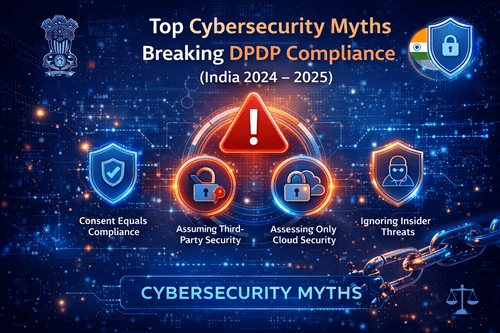 DPDP
DPDPBust top cybersecurity myths blocking DPDP compliance for Indian businesses. 2024-2025 guide covers data privacy gaps, audit failures & fixes amid enforcement—essential for...
 DPDP
DPDPA complete guide to password security and phishing protection for DPDP compliance, including MFA, password managers, audits, employee training, and practical safeguards.
 DPDP
DPDPLearn how CVE management supports DPDP compliance by identifying vulnerabilities, prioritizing remediation, improving audit trails, and protecting personal data.