
Course Preview
- Duration
- 4h 39m
- Difficulty
- Novice
- Instructor
- Keith Bogart
- Videos
- 13
- Quizzes
- 12
- CPE Credits
- 6
- Published
- Dec 07, 2016
- Updated
- Apr 09, 2024
IP Routing Basics
Before learning advanced routing protocols such as OSPF, EIGRP, or other dynamic routing technologies, it is important to first understand the core principles of routing. This course is designed to build that foundation by explaining what routing means, why it is required in modern networks, and how routers make forwarding decisions. Throughout the course, you will learn how IP packets and Ethernet frames behave as they move from one network to another. The training explains what happens during the routing process, how routers examine destination information, and how traffic is forwarded toward the correct network path. You will also explore where routes are stored within a router, how routing tables are used, and how a router chooses the best route when multiple paths to the same destination are available. These concepts are explained in a clear and structured way so learners can understand the logic behind routing before moving into specific protocol configurations. This course is especially useful for learners preparing for the ICND1 CCNA exam and for anyone who wants to develop a strong understanding of routing fundamentals. By the end of the course, you will have the essential knowledge needed to approach routing protocols and more advanced Cisco networking topics with confidence.
Instructor
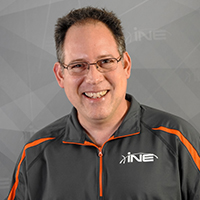
Keith Bogart
Course Instructor
Keith started his networking career as customer service representative at Cisco Systems in 1996. His desire to learn more soon led him to a position as a Cisco Technical Assistance Center (TAC) engineer on the “Dial-Access” team, and within six months he had obtained his Dial-ISP CCIE. He later became a network consulting engineer and obtained his CCNA certification while teaching the technologies to Cisco employees during his lunch breaks. Keith was the first instructor on Cisco’s TAC Training team, where he taught a wide range of internetworking topics and later developed and taught other courses such as routing protocols, LAN switching, MPLS, 802.1x, and CCNA. After almost 17 years with Cisco, Keith joined a small startup and focused on 802.11 Wi-Fi technologies, during which time he obtained his CWNA certification. He is now very happy to be working as an instructor for Routing & Switching. Keith lives in Raleigh, North Carolina, with his wife, son, and daughter. When he is not teaching Bootcamps, Keith can be found at home with his family, reading, or working in the yard.